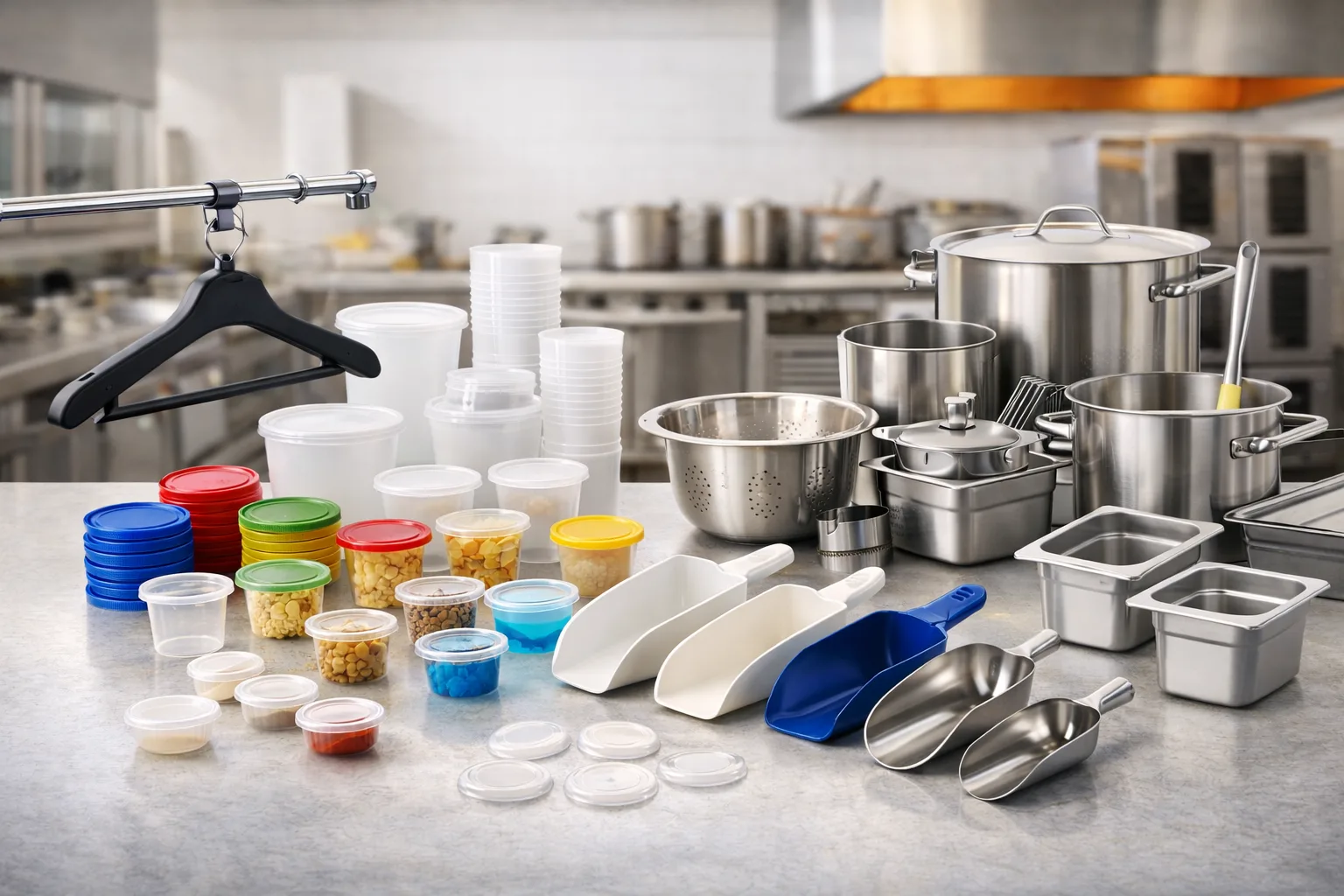
Snap-On Lid Durability: Material Testing
Discover everything you need to know about lid durability for South African businesses in the hospitality and food service industries. In today’s competitive market, having the right equipment and supplies is essential for operational excellence and customer satisfaction. This comprehensive guide explores the various aspects of lid durability, from selection criteria to maintenance best practices, helping you make informed decisions for your business.
Understanding lid durability
These products play a crucial role in modern commercial operations. Whether you run a hotel, restaurant, catering service, or food manufacturing business, choosing the right equipment is essential for success. The South African market presents unique challenges and opportunities, from diverse customer expectations to specific regulatory requirements and environmental conditions that affect equipment performance and longevity.
The hospitality and food service industries in South Africa have evolved significantly in recent years, with increasing emphasis on quality, efficiency, and customer experience. This evolution has driven demand for better equipment and supplies that can meet higher standards while remaining cost-effective. Understanding your specific needs and the options available in the market is the first step toward making the right investment.
When evaluating lid durability, it’s important to consider not just the immediate purchase price but the total cost of ownership over the product’s lifespan. This includes maintenance costs, energy consumption, downtime costs, and replacement frequency. A product that costs more initially but lasts longer and requires less maintenance may actually be more economical in the long run.
Benefits of Quality Equipment
Operational Efficiency
Quality equipment streamlines operations, reducing time and labor costs while improving output consistency. In busy commercial environments, every second counts. Equipment that operates reliably and efficiently helps maintain smooth workflows, reduces bottlenecks, and allows staff to focus on delivering excellent service rather than dealing with equipment failures.
Efficiency improvements can come from various features: faster processing times, automation of manual tasks, better energy efficiency, or improved ergonomics that reduce operator fatigue. When evaluating equipment, consider how each feature will impact your specific operations and whether the efficiency gains justify the investment.
Consistent output quality is equally important. Equipment that produces consistent results reduces waste, rework, and customer complaints. In food service, this means consistent portion sizes, cooking results, or product quality. In hospitality, it means consistent guest experiences. Quality equipment maintains its performance over time, unlike cheaper alternatives that may degrade quickly with use.
Cost Savings
Investing in durable equipment reduces replacement frequency and maintenance costs over time. While quality equipment may have a higher upfront cost, the total cost of ownership over its lifespan is often lower. This is because quality equipment lasts longer, requires fewer repairs, and maintains its performance better over time.
Energy efficiency is another important cost consideration. Modern equipment often incorporates energy-saving features that can significantly reduce operating costs. These features may include improved insulation, more efficient motors or heating elements, smart controls that optimize energy use, or standby modes that reduce power consumption when not in active use.
Labor costs can also be reduced through better equipment design. Ergonomic designs reduce operator fatigue and injury risk, leading to fewer worker compensation claims and less absenteeism. Automation features reduce the need for manual intervention, allowing staff to focus on higher-value activities. Easy-to-clean designs reduce cleaning time and labor costs.
Customer Satisfaction
Professional-grade equipment enhances service quality, leading to better customer experiences. In hospitality, equipment reliability directly affects guest satisfaction – a broken air conditioner, malfunctioning lock, or unreliable hot water system can quickly ruin a guest’s experience. In food service, equipment failures can lead to long wait times, inconsistent food quality, or even food safety issues.
Beyond reliability, quality equipment often provides features that enhance the customer experience. This might include quieter operation, faster service delivery, better presentation of food or products, or additional features that add value to the customer experience. These enhancements can differentiate your business from competitors and justify premium pricing.
Equipment that maintains consistent quality also builds trust with customers. When customers know they can rely on consistent quality and service, they’re more likely to return and recommend your business to others. This word-of-mouth marketing is invaluable and difficult to achieve with unreliable or inconsistent equipment.
Applications Across Industries
Hotels and Lodges
This equipment is essential for guest comfort and operational efficiency in hospitality settings. Hotels have diverse equipment needs across different departments – housekeeping, food and beverage, maintenance, front office, and more. Each department has specific requirements that must be met to ensure smooth operations and guest satisfaction.
In guest rooms, equipment reliability is critical. Guests expect everything to work perfectly, from air conditioning and lighting to locks and entertainment systems. Equipment failures in guest rooms are immediately visible to guests and can significantly impact their experience. This makes reliability and ease of maintenance crucial considerations for hotel equipment selection.
Behind the scenes, hotels need efficient equipment for housekeeping, laundry, food preparation, and maintenance operations. These areas often have high usage intensity and require equipment that can withstand continuous operation. Space constraints are also common in hotels, making compact yet efficient equipment particularly valuable.
Restaurants and Catering
Food service businesses rely on these products for consistent quality and service delivery. Restaurant equipment must handle high-volume, high-intensity use while maintaining food safety standards. The fast-paced environment of a restaurant leaves little room for equipment failures or performance issues.
Kitchen equipment must meet strict hygiene and safety regulations. Materials must be food-safe and easy to clean and sanitize. Temperature control is critical for food safety, making reliable refrigeration and cooking equipment essential. The equipment must also be efficient to help control food costs in a business with tight margins.
Catering operations have additional considerations – equipment must be portable for off-site events, able to operate in diverse environments, and often must serve large numbers of people quickly. Durability during transport and setup is crucial, as is the ability to maintain food quality during service periods that can extend for several hours.
Choosing the Right Supplier
When selecting suppliers in South Africa, consider:
- Product quality and certification: Ensure products meet relevant South African and international standards. Look for certifications from recognized bodies that verify quality, safety, and performance. For food-related equipment, check for food safety certifications. For electrical equipment, ensure compliance with South African electrical standards.
- Wholesale pricing and bulk discounts: Compare pricing across multiple suppliers to ensure you’re getting competitive rates. Understand the discount structure – volume discounts, tiered pricing, or negotiated rates. Consider whether the supplier offers flexible payment terms, credit facilities, or leasing options that can help with cash flow management.
- Delivery times and logistics: Reliable delivery is crucial, especially for time-sensitive projects or replacements. Understand the supplier’s delivery capabilities, lead times for standard and custom orders, and their ability to handle urgent requests. Consider their geographic coverage and whether they can deliver to your location efficiently.
- After-sales support and warranty: Comprehensive support can prevent minor issues from becoming major problems. Understand the warranty terms, what’s covered, and what’s required to maintain coverage. Evaluate the supplier’s technical support capabilities, response times, and geographic coverage of service technicians.
- Industry reputation and experience: Established suppliers with proven track records are generally more reliable. Research the supplier’s history, customer reviews, and industry standing. Longevity in the market often indicates stability and reliability. Consider whether the supplier specializes in your industry or has deep expertise in your specific needs.
Frequently Asked Questions
What makes commercial-grade products different from standard alternatives?
Commercial-grade equipment offers superior durability, precision, and performance compared to residential options. Commercial products are built for continuous, high-intensity use in demanding environments. They feature stronger construction, better materials, more comprehensive safety features, and often include advanced capabilities that residential products lack.
The testing and certification requirements for commercial equipment are more stringent, ensuring they meet higher standards for safety and performance. Commercial equipment also typically comes with better documentation, training materials, and technical support. While the initial cost is higher, the total cost of ownership over the product’s lifespan is often lower due to longer life and reduced maintenance.
How do I know which product is right for my business?
Consider your operational volume, specific requirements, and budget. Consult with suppliers for personalized recommendations. Start by thoroughly analyzing your current operations and identifying pain points or areas for improvement. Consider future growth plans and whether the equipment can scale with your business.
Get demonstrations or trials when possible to see how equipment performs in real-world conditions. Talk to other businesses in your industry about their experiences with different products and suppliers. Consider the total cost of ownership over the product’s expected lifespan, not just the purchase price. Factor in maintenance costs, energy consumption, and expected lifespan.
Conclusion
Investing in quality equipment is a smart decision for South African businesses. Choose reputable suppliers, prioritize quality over price, and implement proper maintenance for optimal results. The right equipment, properly maintained and used, can serve your business reliably for years, contributing to operational excellence and customer satisfaction.
Take the time to research thoroughly, compare options, and make informed decisions based on comprehensive analysis rather than just initial price. Consider the total cost of ownership, the supplier’s reputation and support capabilities, and how the equipment will integrate with your existing operations. With careful planning and the right choices, your equipment investment will pay dividends for years to come.